Listen
20 Student Voices
Anonymous survey responses explored students’ experiences with language barriers, confidence, understanding of the U.S. school system, and participation in advanced coursework.
How Understanding the U.S. School System Shapes English Learners’ Confidence and Participation in Advanced Placement Courses
This research project explores the challenges English Learners (ELs) face as they adjust to the U.S. school system and navigate advanced academic opportunities, with a particular focus on Advanced Placement (AP) courses. Through a 19-question survey of 20 current and former ELs, interviews with two experienced ESL educators, and a review of 15 academic and government sources, the study examines how understanding of the U.S. education system, language barriers, academic guidance, and school support relate to students’ confidence and participation in advanced coursework. The project identifies key barriers and proposes ways schools can better support ELs in making informed academic choices and accessing advanced opportunities. Through Together We Grow & ESL Connect, the project also aims to put these findings into practice by developing educational resources, improving access to school information, and creating peer-support opportunities for ELs.
About Me
I’m César Ledezma, a high school student who arrived in the United States four years ago. My experience learning how to navigate an unfamiliar school system as an immigrant and English learner inspired this project.
I quickly learned that adjusting to a new school system involves much more than learning English. While learning a new language, I also had to understand a different academic system, new expectations, and unfamiliar terms that were never part of my previous education.
As I began to understand how the U.S. school system worked and became more aware of the opportunities available to students, I wondered how many other English learners faced the same questions and challenges. I also realized that there were students who needed the same kind of information and guidance I had needed when I first arrived.
I decided to start by sharing what I had learned with other students. That was one of the reasons I founded Together We Grow & ESL Connect, a club created to help students better understand the school system, find resources, and become more involved in their school community. My own experience also made me want to understand these challenges more deeply, which led me to develop Beyond the Language Barrier.
Concepts students may need to learn

César Ledezma
High school student · Student Researcher
About the Project
A student-led research project exploring how unfamiliarity with the U.S. education system relates to the confidence and participation of immigrant students and English learners in advanced high school classes.
Starting over in a new school system takes much more than learning English. Immigrant students and English learners also have to understand grades, GPA, graduation requirements, different course options such as KAP, AP, and Dual Credit, available support, and what each academic choice can lead to. For students adjusting to a new country and school system, advanced courses can sometimes seem out of reach even when they have the ability and motivation to succeed.
Navigating advanced academic opportunities can be especially challenging when students are still learning how the U.S. school system works. English learners may face uncertainty about course options, academic expectations, language demands, and the support available to them. This project examines how unfamiliarity with the U.S. school system, language barriers, academic guidance, and school support relate to students’ confidence and participation in advanced coursework.
Listen
Anonymous survey responses explored students’ experiences with language barriers, confidence, understanding of the U.S. school system, and participation in advanced coursework.
Learn
Interviews with two ESL educators provided additional insight into the academic, language, and transition challenges students may face while navigating the U.S. school system.
Research
Existing research and government sources were reviewed to compare students’ experiences with findings on English learners, academic guidance, and participation in advanced coursework.
Act
The findings were put into action through practical recommendations and student-led initiatives designed to help English learners better understand academic opportunities and available support.
Research Paper
Beyond the Language Barrier is a student-led research project based on a 19-question survey of 20 students, interviews with two ESL educators, and a review of 15 academic and government sources.
RESEARCH QUESTION
César Ledezma · Beyond the Language Barrier · Student research
Introduces the challenges immigrant students and English learners may face when adjusting to the U.S. school system, including understanding GPA, course levels, graduation requirements, academic expectations, and advanced academic opportunities. It also presents the research question and the motivation behind the study.
Reviews previous academic and government research on English learners, language development, access to advanced coursework, academic guidance, school support, and factors that may influence students’ confidence and participation.
Explains the exploratory mixed-methods design, including an anonymous 19-question survey of 20 current and former English learners, semi-structured interviews with two experienced ESL educators, and descriptive analysis of the findings.
Presents findings from the student survey and educator interviews, including students’ understanding of advanced courses, confidence, language barriers, school-system knowledge, sources of information and support, and plans for future AP participation.
Connects the survey and interview findings with previous research and discusses how unfamiliarity with the U.S. school system, language barriers, academic guidance, and school support relate to students’ confidence and participation in advanced coursework.
Proposes practical ways schools can better support English learners through early bilingual academic orientation, direct communication with families, peer mentoring, stronger counselor support, and training for teachers working with students in advanced courses.
Turns the research recommendations into student-led action through educational resources, bilingual outreach, peer support, academic information, and the Understanding Your High School Pathway guide.
Acknowledges the study’s small sample size, self-reported survey responses, limited number of educator interviews, and descriptive design, which does not establish cause and effect or represent all English learners.
Concludes that learning English is only one part of adjusting to a new school system. Clear information, guidance, encouragement, and support can help English learners better understand their academic options and approach advanced coursework with greater confidence.
Calderón, M., Slavin, R., & Sánchez, M. (2011). Effective instruction for English learners. The Future of Children, 21(1), 103–127.
Evans, K., Lee, J., Rodriguez, J., & Gawens, S. (2025). Barriers to success: How U.S. newspapers frame the challenges of immigrant students in public education. Social Sciences, 14, 358. https://doi.org/10.3390/socsci14060358
Fenty, N. S., & Allio, A. (2017). Using distance learning to impact access of diverse learners to Advanced Placement programs. The Quarterly Review of Distance Education, 18(2), 39–56.
Hanks-Sloan, A. E. (2016). Identifying the supports and challenges of high school Latino English language learners [Doctoral dissertation, University of Maryland, College Park].
Kanno, Y., & Kangas, S. E. N. (2014). ‘I’m not going to be, like, for the AP’: English language learners’ limited access to advanced college-preparatory courses in high school. American Educational Research Journal, 51(5), 848–878. https://doi.org/10.3102/0002831214544716
Kapoyannis, T. (2021). The Name Jar Project: Supporting preservice teachers in working with English language learners. Language and Literacy, 23(3), 45–65.
Lee, S. J. (2012). New talk about ELL students. Phi Delta Kappan, 93(8), 66–69.
Ma, M., & Winters, M. A. (2025). Reclassifying English learners [Preprint]. SSRN. https://ssrn.com/abstract=5703195
Mosqueda, E. (2010). Compounding inequalities: English proficiency and tracking and their relation to mathematics performance among Latina/o secondary school youth. Journal of Urban Mathematics Education, 3(1), 57–81.
National Center for Education Statistics. (2024). English learners in public schools. U.S. Department of Education. https://nces.ed.gov/programs/coe/indicator/cgf/english-learners-in-public-schools
Office of English Language Acquisition. (2021). English learners in Advanced Placement and International Baccalaureate courses. U.S. Department of Education.
Trainor, A., Murray, A., & Kim, H.-J. (2016). English learners with disabilities in high school: Population characteristics, transition programs, and postschool outcomes. Remedial and Special Education, 37(3), 146–158. https://doi.org/10.1177/0741932515626797
Vladu, A. (2016). High achieving English language learners: The schooling experiences of former ELL students enrolled in advanced high school courses [Doctoral dissertation, College of William & Mary].
Watkins, N. A. (2022). Access and opportunity: Increasing Advanced Placement access for English learners. Journal of Higher Education Theory and Practice, 22(14), 1–9.
Westat. (2022). Study of the impact of English learner reclassification policies: Supporting statement for Paperwork Reduction Act submission. Institute of Education Sciences, U.S. Department of Education.
Research Findings
Student survey responses and educator interviews highlighted patterns related to confidence, language barriers, understanding of the U.S. school system, access to information, school encouragement, and decisions about advanced coursework.
20
Students Surveyed
20 current and former English learners completed the anonymous survey.
2
Educators Interviewed
Experienced ESL educator perspectives
90%
Felt Unsure About AP
18 of 20 students reported having felt unsure about enrolling in AP courses
65%
Chose Not to Take an Advanced Class
13 of 20 students had decided not to take an advanced class because of fear, language barriers, or lack of information
Survey responses, n = 20.
55%
Did not understand AP or advanced courses before entering high school
90%
Had felt unsure about enrolling in AP courses
65%
Had decided not to take an advanced class because of fear, language barriers, or lack of information
Concerns about advanced classes
Multiple responses permitted · n = 20
Confidence distribution (1–5)
3.1 out of 5
Average confidence score · n = 20
85%
Reported that language barriers affected their academic performance at least somewhat
Reported impact on performance
Largest current challenge
How well do you understand the U.S. school system, including GPA, AP classes, and credits? (n = 20)
Most students reported at least some understanding of the system, but only 35% said they understood it very well.
Multiple responses permitted · n = 20
Multiple responses permitted · n = 20
Do you feel that your school has encouraged you to take AP classes? (n = 20)
25%
Felt clearly encouraged by their school to take AP courses
Do you feel you have the same academic opportunities as non-immigrant students? (n = 20)
80%
Either planned to take AP or were considering it
50%
Planned to take AP in the future
Students reported different levels of understanding of GPA, credits, course levels, AP options, and academic pathways while navigating the U.S. school system.
85% of students reported that language barriers affected their academic performance at least somewhat.
Fear of failure and low confidence were among the most commonly reported concerns.
Students frequently relied on friends, teachers, and the internet for information about school and academic options.
Students reported different levels of school encouragement to consider AP courses.
Despite reported barriers, 50% planned to take AP in the future, while another 30% answered “Maybe.”
Two experienced ESL educators were interviewed to better understand the academic and emotional challenges students may experience while adapting to the U.S. school system.
One educator emphasized that English learners are often adjusting to a new language, school, community, and academic environment at the same time. She identified confidence as an important factor when students consider AP courses and stressed the importance of teachers recognizing students’ potential, providing encouragement, and building supportive relationships.
The second educator emphasized that English learners need to understand how the U.S. school system works, including grades, GPA, academic pathways, and future opportunities. She also identified English proficiency, family support, peers, and student motivation as important factors when students consider AP courses.
Final takeaway
The student survey and educator interviews suggest that language is only one part of the challenges English learners may face when considering advanced courses. Confidence, understanding of the U.S. school system, sources of information, encouragement, and support also emerged as important themes. Despite these challenges, many students showed interest in taking AP courses in the future. Together, these findings suggest that clearer information, guidance, and appropriate academic and language support may help English learners feel more informed and confident when considering advanced academic opportunities.
Educational Resources
One goal of Beyond the Language Barrier is to transform research into practical resources that help multilingual students navigate the U.S. education system. The resources below provide accessible information and guidance for students and families on topics such as graduation requirements, GPA, course levels, KAP, AP, Dual Credit, academic opportunities, and planning their high school pathway.
For Students
What GPA means, how it is calculated, and why it matters.
For Students
What AP courses are, how they work, and who can take them.
For Students
How course levels work and how to choose classes that fit your goals.
For Families
A step-by-step guide to help families complete the Annual Student Update.
For Students
How to find opportunities, ask questions, and get involved.
For Families
Practical ways to support and encourage your child in advanced courses.
For Educators
Practical ways to encourage and support ELs in advanced courses.
For Students & Families
Helpful questions students and families can bring to a counselor meeting.
Community Impact
Beyond the Language Barrier turns research findings into practical action through Together We Grow & ESL Connect. Through student-led activities, the project shares academic information, supports students and families, and extends outreach across the Katy ISD community. As club president, I help organize these efforts and work with other members to make information about the U.S. school system and academic opportunities easier to understand and access.
36
Club Members
≈200
Katy ISD Community Event Attendees
≈50
Participants Reached at Community Event
Nearly 1,000
Instagram Followers
01 — Student Support & Guidance
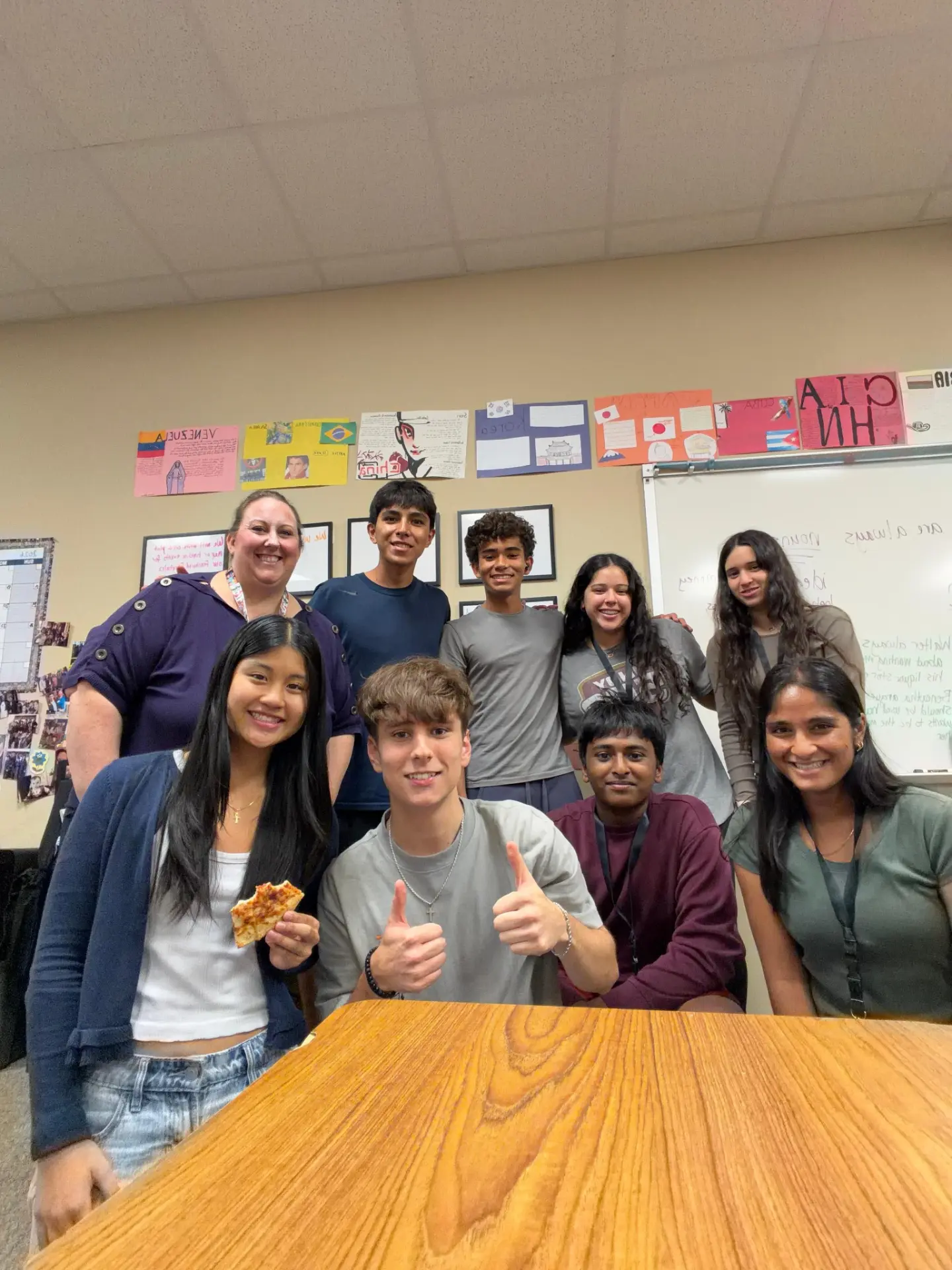
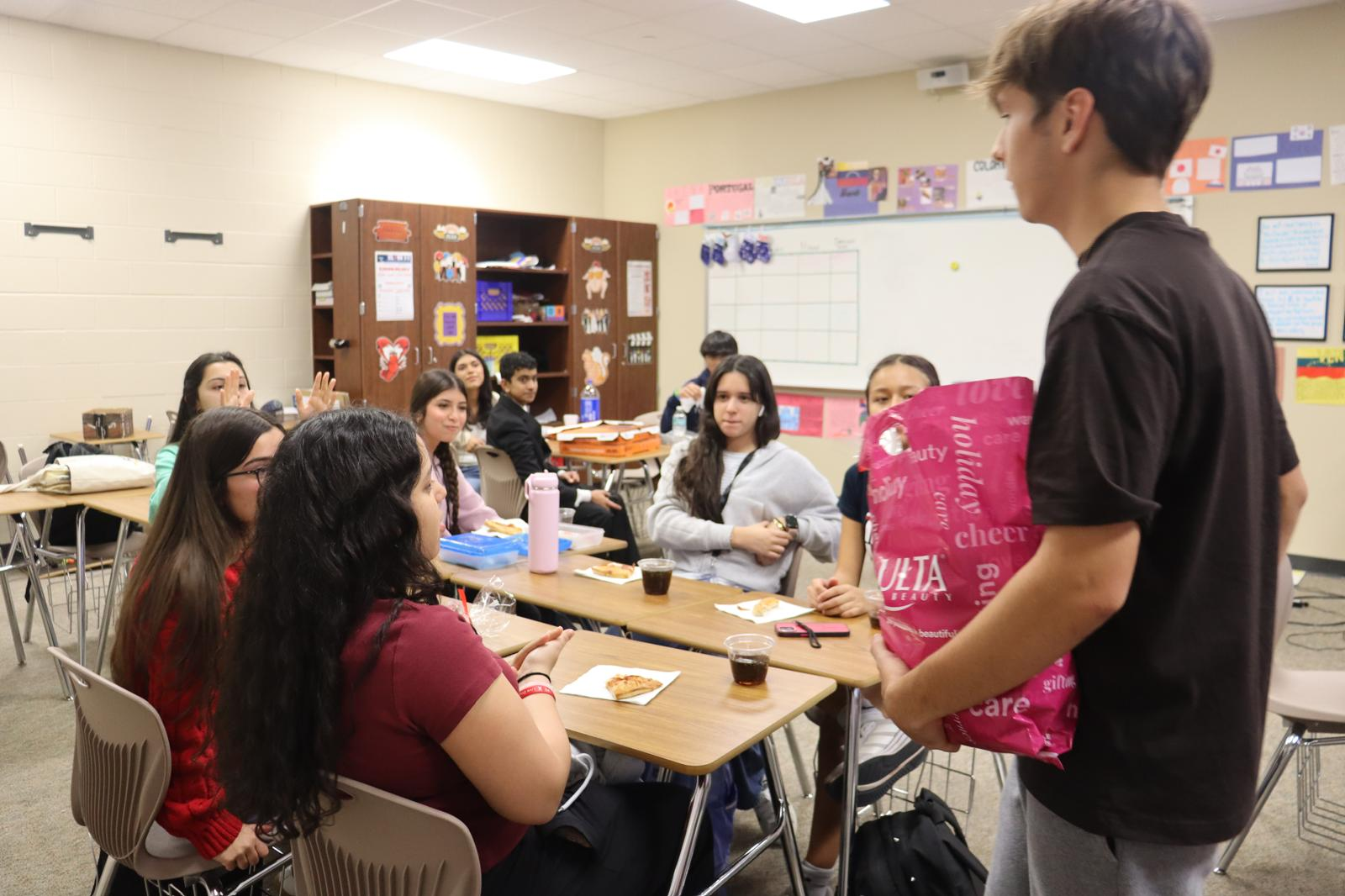
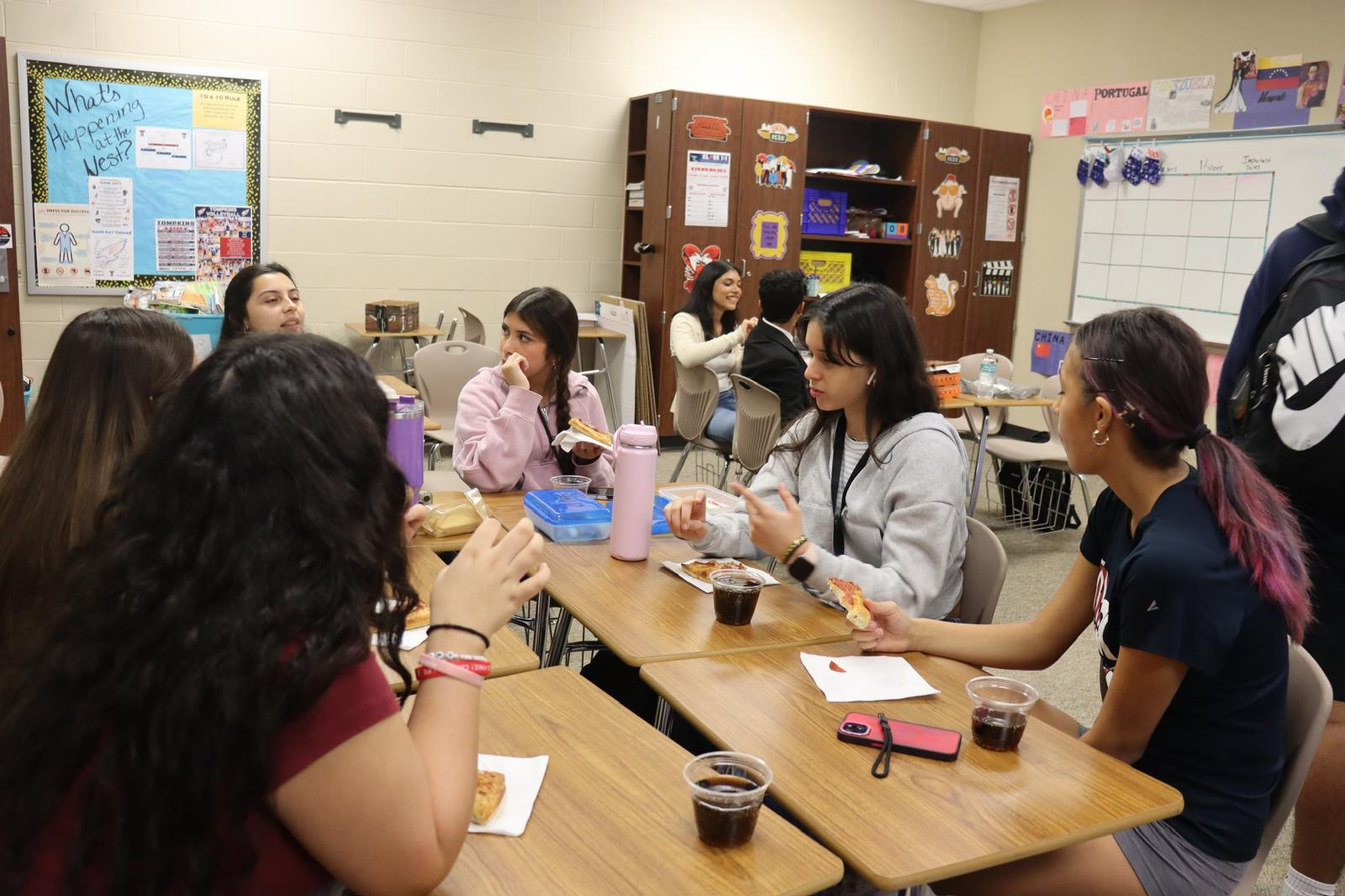
Through Together We Grow & ESL Connect, students receive information and guidance about classes, AP opportunities, school resources, and navigating the U.S. school system. The club currently has 36 members and meets every two weeks after school. Students with specific questions are also welcome to seek guidance even if they are not club members.
36 club members · Meets every two weeks
02 — Family & School Outreach
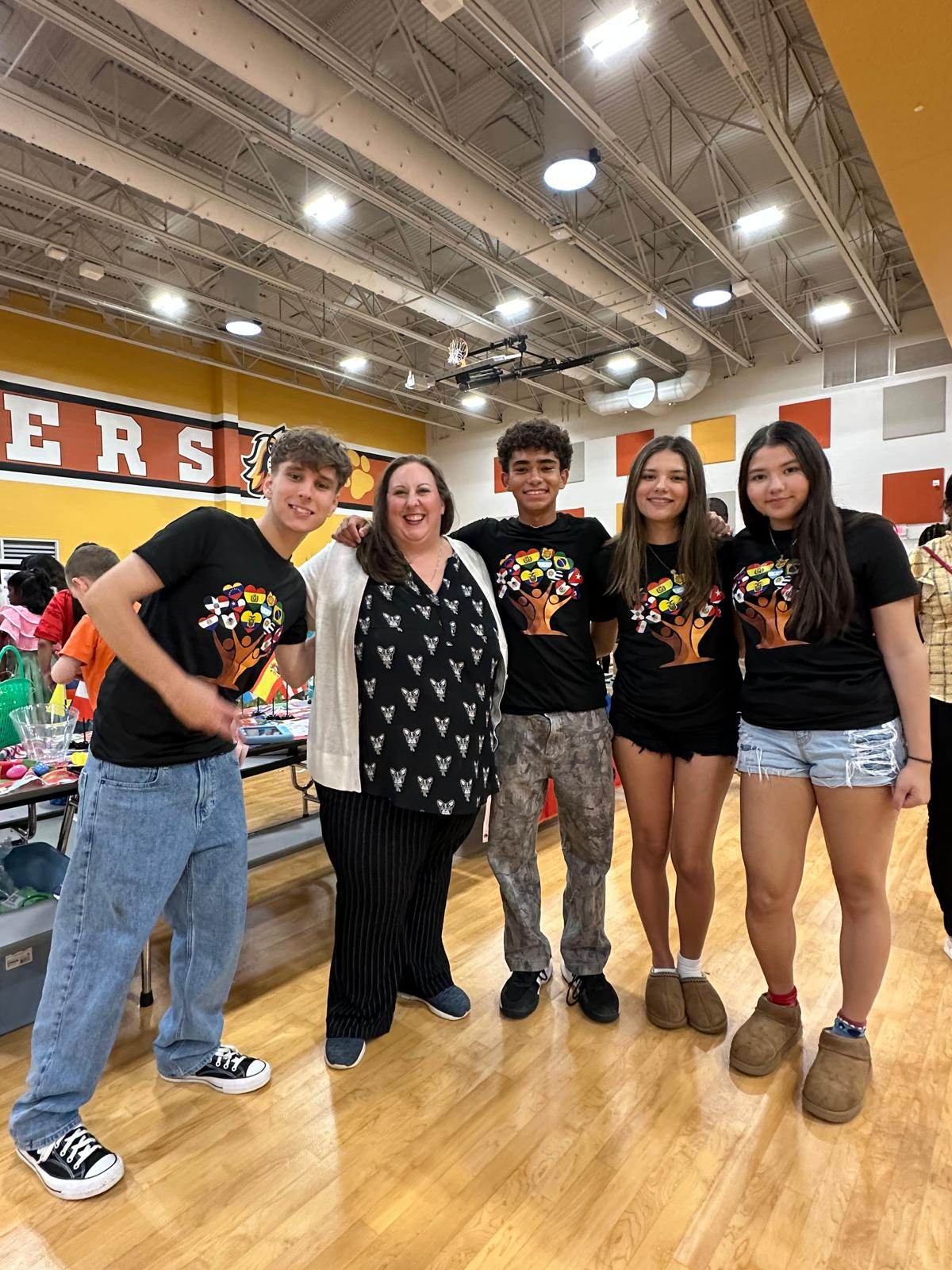
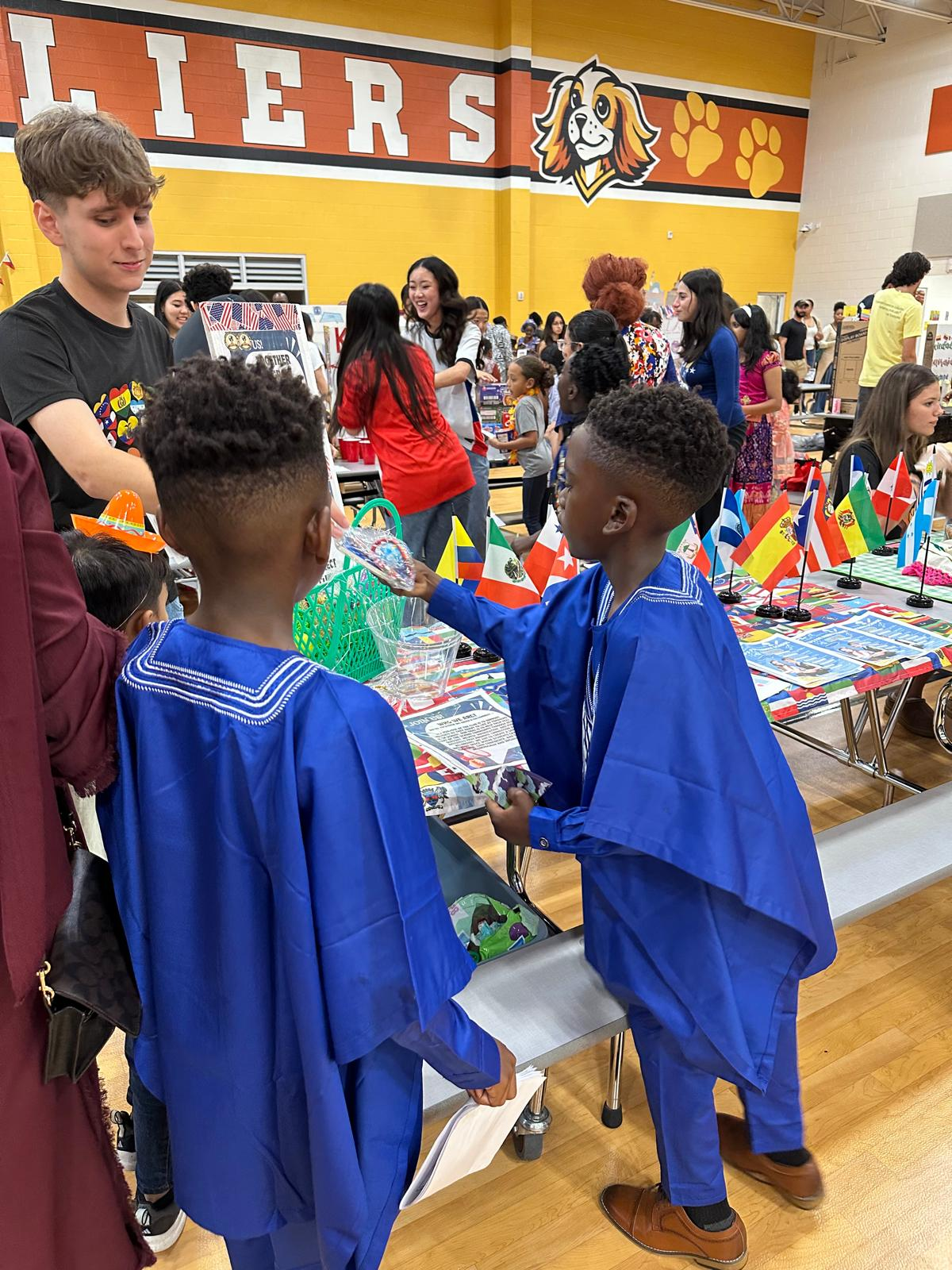
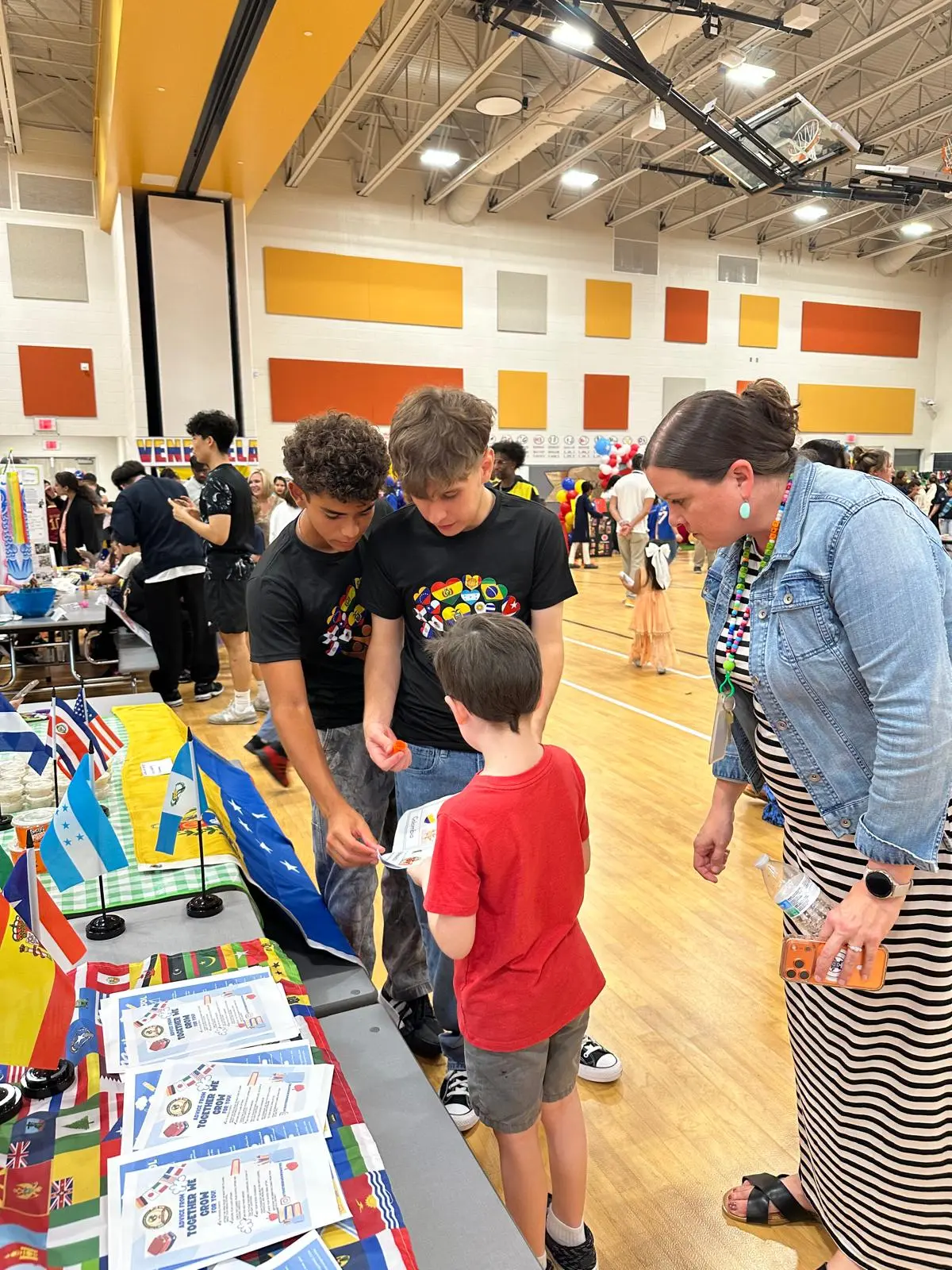
Together We Grow & ESL Connect was invited to participate in a community event at Cross Elementary in Katy ISD, representing Tompkins High School. Club members interacted with children and parents while sharing information related to Beyond the Language Barrier, including course selection, AP courses, and academic opportunities. Approximately 200 people attended the event.
≈200 people attended · Cross Elementary — Katy ISD
03 — Community Engagement
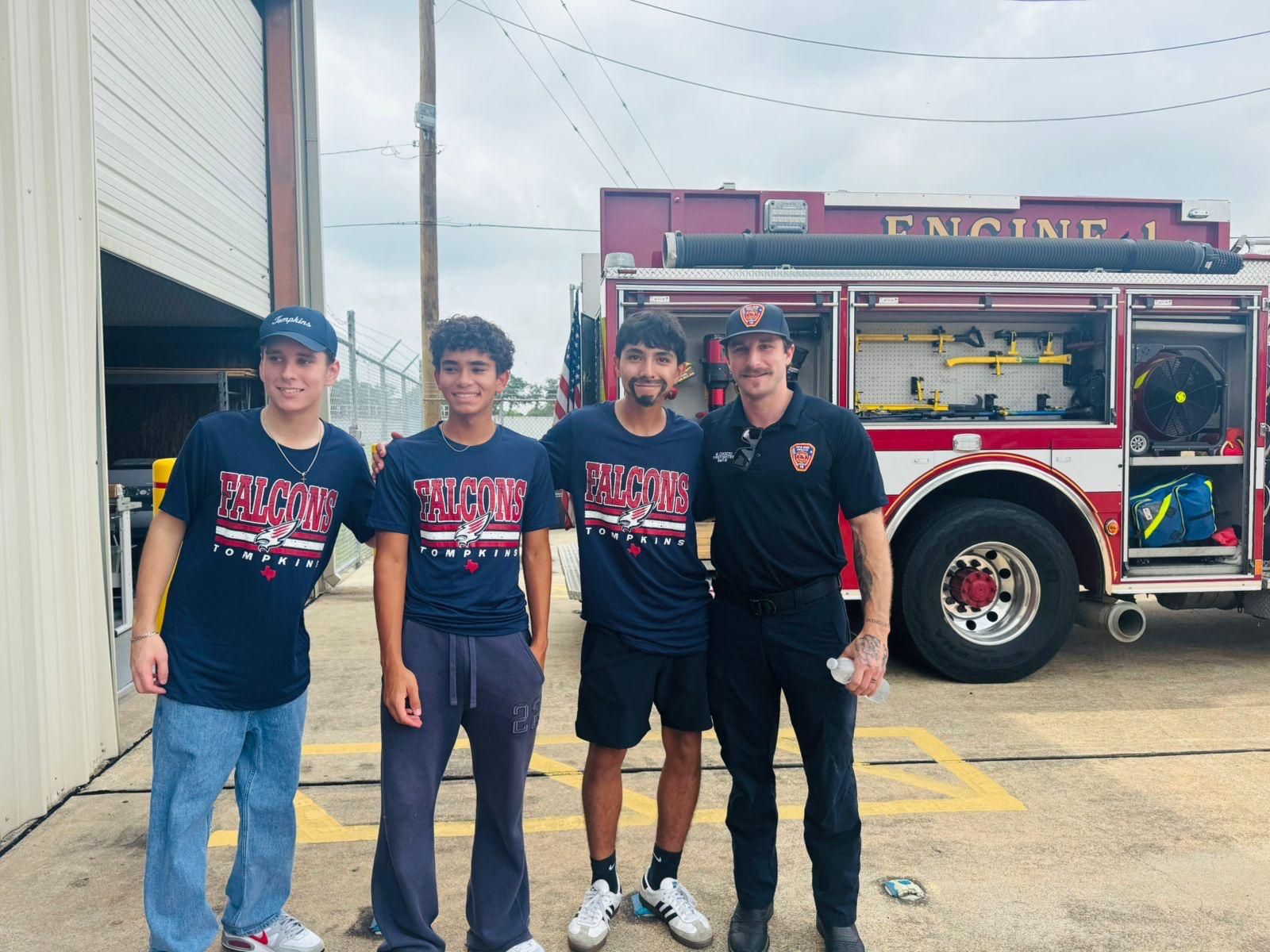
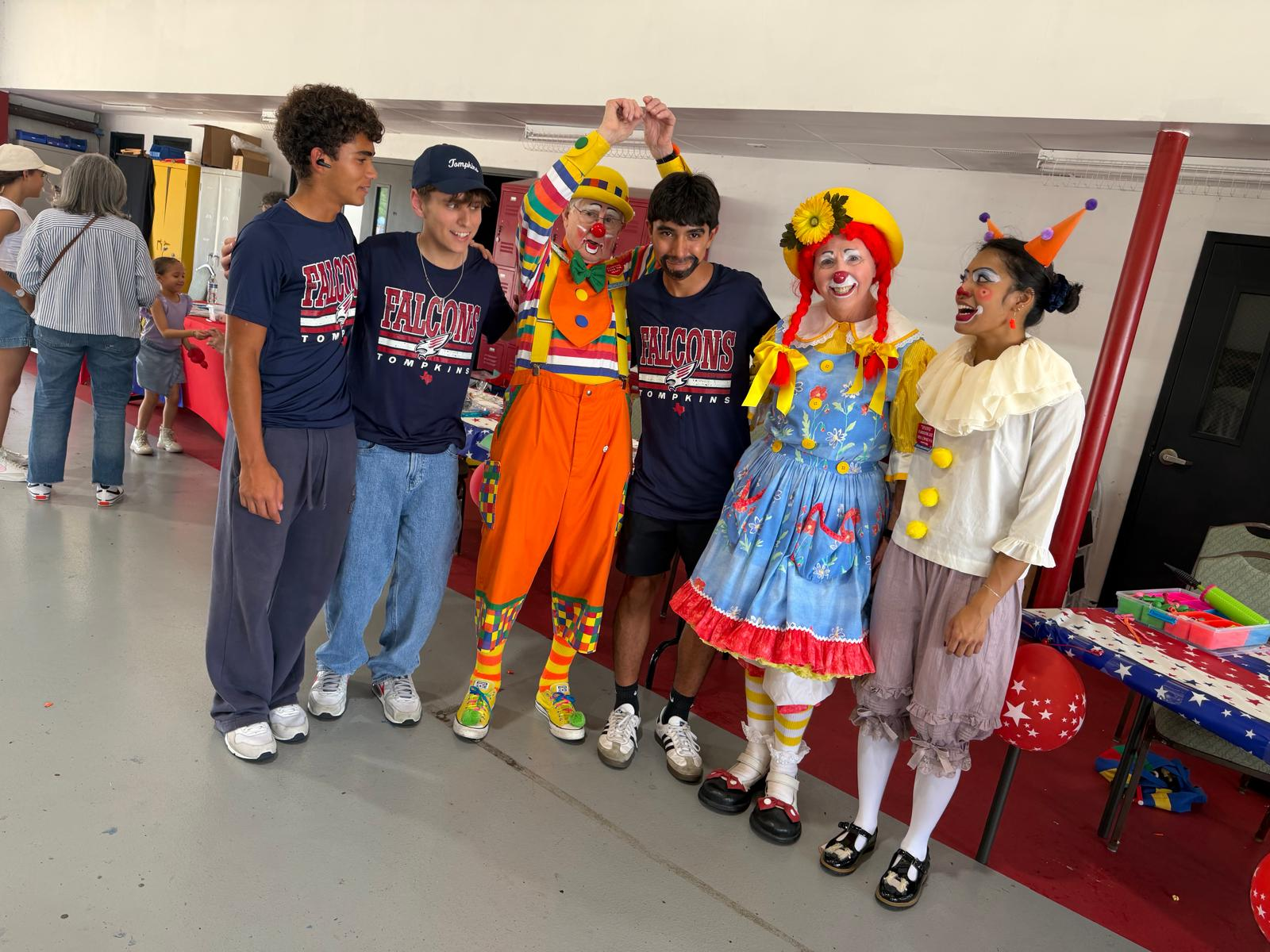
Together We Grow & ESL Connect was invited to participate in a community event hosted by American Legion Post 164. Club members shared information related to the project with children and families, helping extend academic guidance beyond the school setting. Approximately 50 participants received information during the event.
≈50 participants reached · American Legion Post 164
04 — Student Outreach
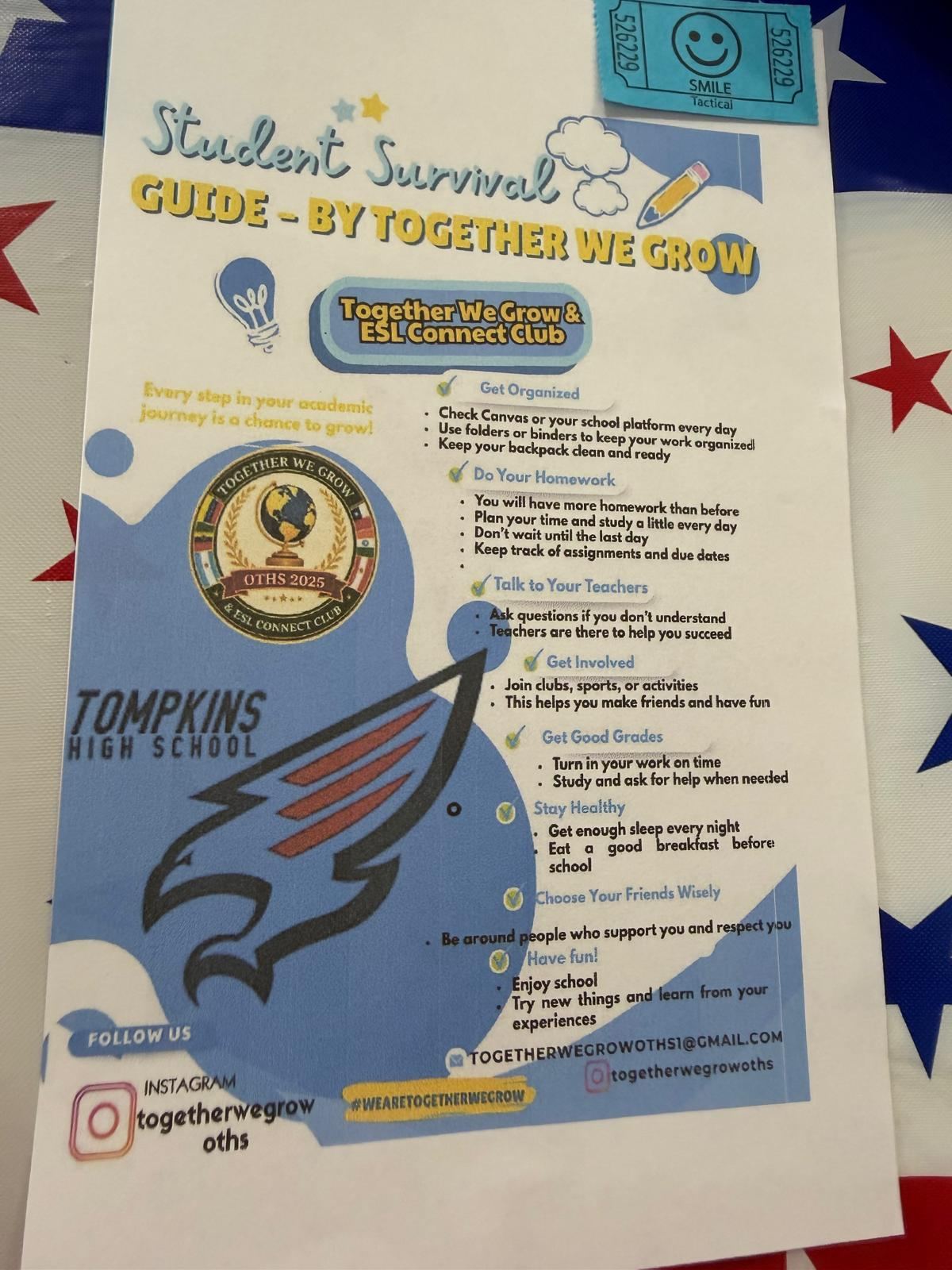
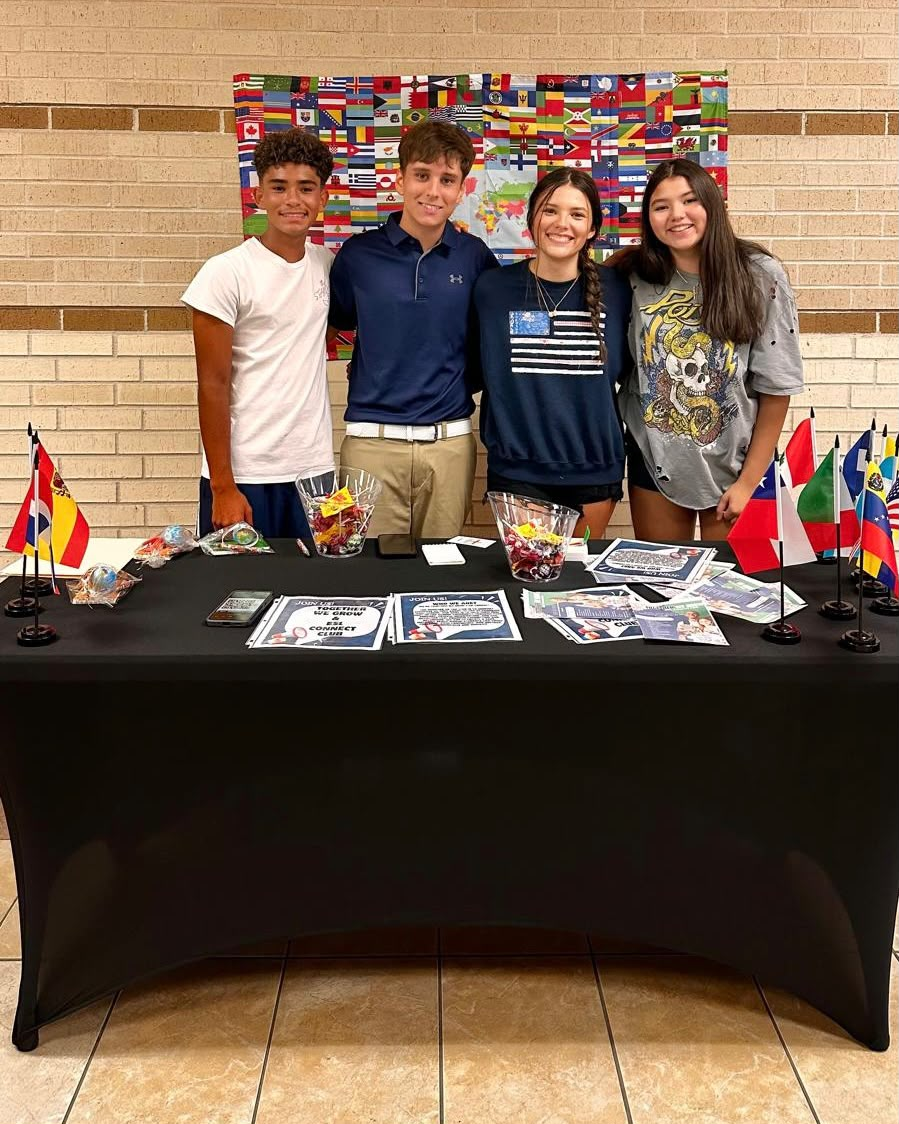
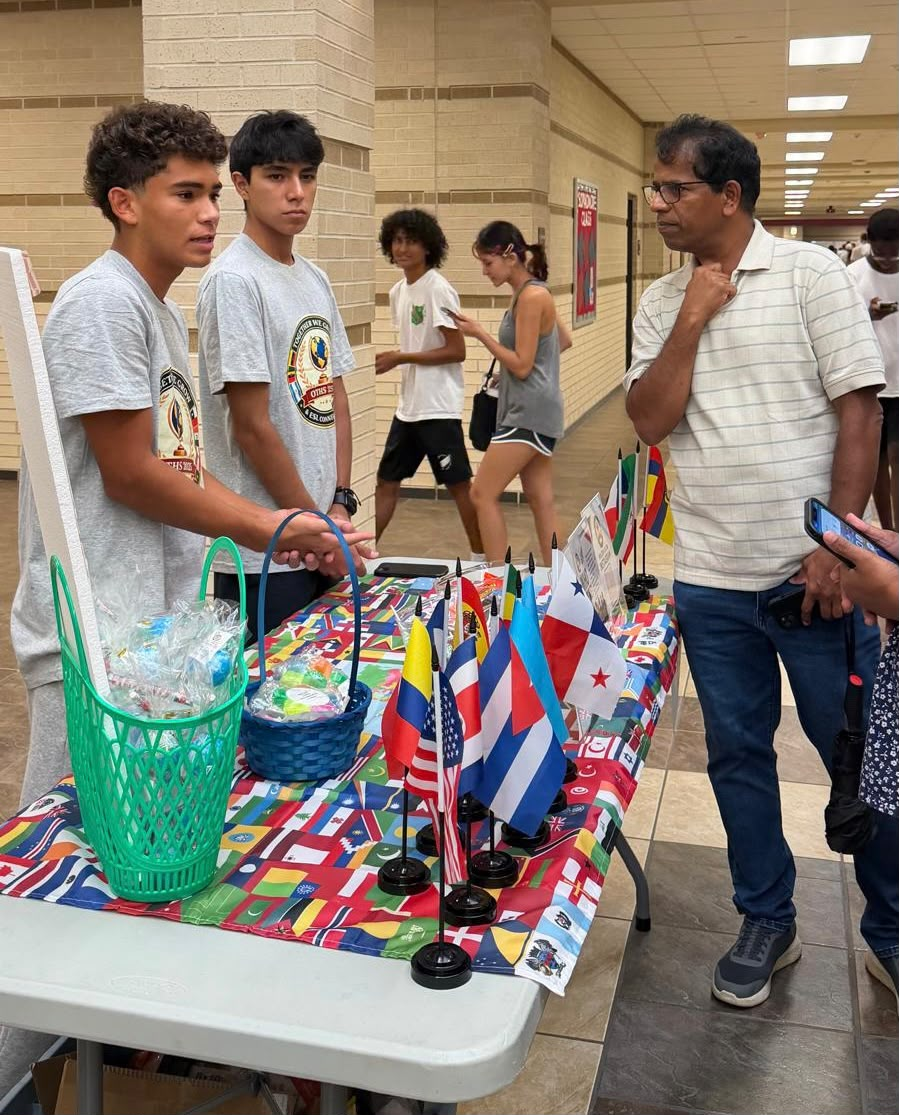
For two consecutive years, Together We Grow & ESL Connect has participated in the annual Club Expo at Tompkins High School. Through the event, club members connect with students, including incoming students, answer questions, share information about available support and opportunities, and introduce them to the club and its mission.
2 consecutive years · Annual Club Expo
05 — Digital Outreach
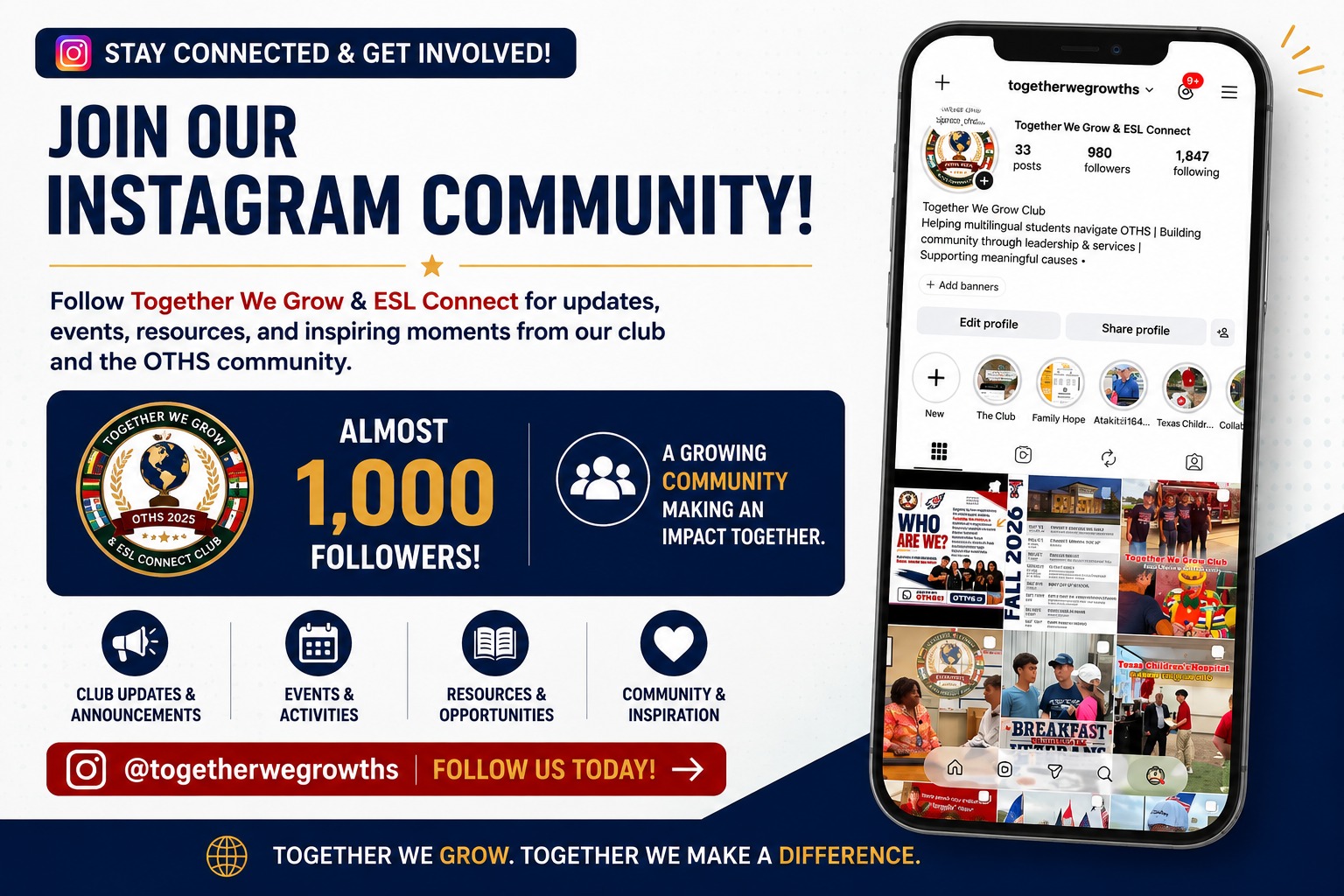
Together We Grow & ESL Connect also uses Instagram to share academic information, opportunities, resources, activities, and upcoming events. With a growing community of nearly 1,000 followers, the platform helps extend access to useful information beyond in-person meetings and events.
Nearly 1,000 followers
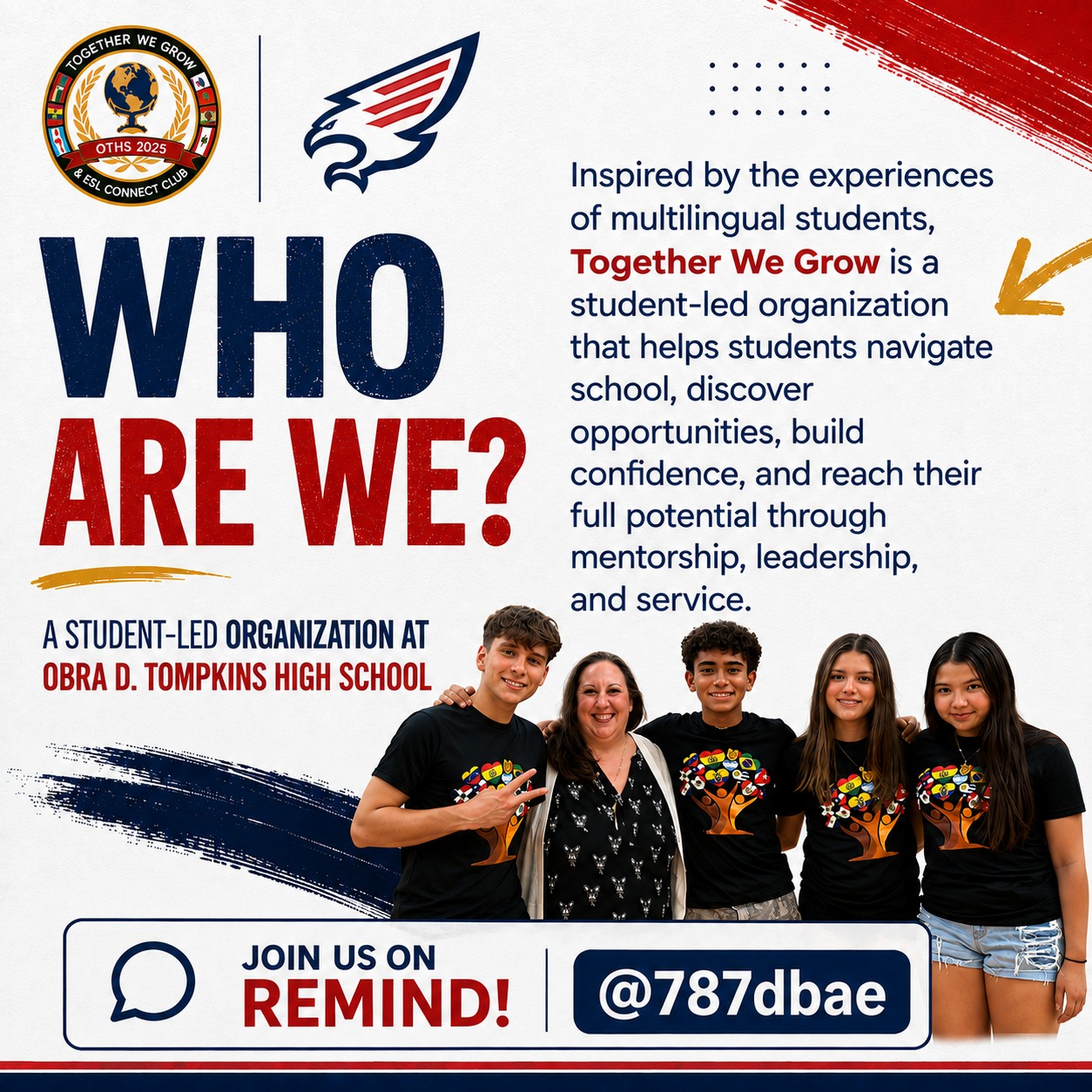
Connected Initiative
Together We Grow & ESL Connect is a student-led organization at Tompkins High School that supports students through academic guidance, leadership, service, and school involvement.
“Inspired by the experiences of multilingual students, Together We Grow is a student-led organization that helps students build confidence, discover opportunities, and make a positive impact through mentorship, leadership, and service. Every student deserves the opportunity to belong, grow, and succeed.”
THE CONNECTION
Together We Grow provides a way to put recommendations from Beyond the Language Barrier into practice at Tompkins High School. Through educational resources, workshops, student support, and academic guidance, the club works to make the school system and academic opportunities easier for English learners to understand and navigate.
@togetherwegrowoths
Follow the club on Instagram for updates, activities, and announcements.
Photo & Video Gallery
School activities, community events, club activities, research presentations, educational outreach, interviews, workshops, and project milestones will be documented here. More media will be added as the project continues.
Contact
Students, families, educators, schools, and organizations interested in learning more about Beyond the Language Barrier or its educational resources are welcome to reach out.
Project email
beyondlanguagebarrier@gmail.comTogether We Grow
@togetherwegrowoths